
Labels: Parlophone • Capitol • EMI
Producer: George Martin
Mixed by: Norman Smith & George Martin
Recorded: 17 June 1965 & 12 October – 11 November 1965
Studios: EMI Studios (Abbey Road Studios), London
John Lennon: lead vocal, harmony, tambourine
George Harrison: harmony vocals, electric guitar
Ringo Starr: drums, cowbell
Written by: Lennon–McCartney
Paul McCartney: harmony vocal, bass
George Harrison: 12-string acoustic guitar, sitar
Ringo Starr: bass drum, cymbals, tambourine, claps, thigh slaps
Written by: Lennon–McCartney
John Lennon: backing vocal, tambourine
George Harrison: backing vocal, electric guitar
Ringo Starr: drums, percussion
Mal Evans: Hammond organ
Written by: Lennon–McCartney
Paul McCartney: harmony vocal, bass
George Harrison: harmony vocal, lead electric guitar
Ringo Starr: drums
Written by: Lennon–McCartney
John Lennon: harmony vocal, electric guitar, electric piano
Paul McCartney: harmony vocal, bass, fuzz bass
Ringo Starr: drums, maracas
Written by: George Harrison
Paul McCartney: harmony vocal, bass, piano
George Harrison: harmony vocal, lead electric guitar
Ringo Starr: drums, maracas
George Martin: harmonium
Written by: Lennon–McCartney
John Lennon: harmony vocal, nylon string acoustic guitar
George Harrison: harmony vocal, electric lead guitar, 12-string acoustic guitar
Ringo Starr: drums
Written by: Lennon–McCartney
John Lennon: harmony vocal, electric guitar
Paul McCartney: harmony vocal, bass
George Harrison: lead electric guitar
Written by: Lennon–McCartney–Starkey
Paul McCartney: backing vocal, bass
George Harrison: backing vocal, 12-string acoustic lead guitar
Ringo Starr: drums
Written by: Lennon–McCartney
John Lennon: harmony vocal
George Harrison: electric lead guitar
Ringo Starr: drums, matchbox percussion, tambourine, Hammond Organ
Written by: Lennon–McCartney
Paul McCartney: harmony vocal, bass
George Harrison: electric lead guitar
Ringo Starr: drums, tambourine
George Martin: piano
Written by: Lennon–McCartney
Paul McCartney: lead vocal, bass
George Harrison: electric lead guitar
Ringo Starr: drums, maracas
Written by: Lennon–McCartney
John Lennon: harmony vocal, electric guitar
Paul McCartney: harmony vocal, bass
Ringo Starr: drums, tambourine
Written by: George Harrison
Paul McCartney: harmony vocal, bass
George Harrison: harmony vocal, electric lead guitar
Ringo Starr: bass drum, tambourine
Written by: Lennon–McCartney
John Lennon: Acoustic Guitar
George Harrison: 12-String Acoustic Guitar
Ringo Starr: Snare Drum, Maracas
Written by: Lennon-McCartney
Paul McCartney: Bass
George Harrison: Electric Guitar, Acoustic Guitar
Ringo Starr: Drums, Tambourine
Written by: Lennon-McCartney
Told by The Beatles
“We did a lot of learning together. George Martin had a very great musical knowledge and background, and he could translate for us and suggest a lot of things. He’d come up with amazing technical things, slowing down the piano and things like that. We’d be saying, ‘We want it to go un, un and ee, ee, and he’d say, ‘Well, look, chaps, I thought of this, this afternoon, and last night I was talking to whoever, and I came up with this!’ And we’d say, ‘Great, great, come on, put it on here!’ He’d also come up with things like, ‘Have you heard an oboe [a woodwind instrument]?' and we’d say, ‘Which one’s that?’ and he’d say, ‘This one’.
In ‘In My Life’ there’s an Elizabethan piano solo — we’d do things like that. We’d say, ‘Play it like Bach’, or, ‘Could you put twelve bars in there?’ He helped us to develop a language a little.
We were getting better technically and musically. We finally took over the studio. In the early days we had to take what we were given; we had to make it in two hours, and one or three takes was enough and we didn’t know how you could get more bass — we were learning the techniques. Then we got contemporary. I think Rubber Soul was about when it started happening.
I always was a record man. I always liked the studio best, once I got the hang of it and the control. I like it because it’s complete control.
Everything I, any of us, do is influenced, but it began to take its own form. Rubber Soul was a matter of having all experienced the recording studio; having grown musically as well, but [getting] the knowledge of the place, of the studio. We were more precise about making the album, that's all, and we took over the cover and everything.
It was Paul’s title. It was like ‘Yer Blues’, I suppose, meaning English soul, ‘Rubber soul’. Just a pun.
“John and I were writing quite well by 1965. For a while we didn’t really have enough home-made material, but we did start to around the time of Rubber Soul.
Most of the time we wrote together. We’d go and lock ourselves away and say, ‘OK, what have we got?’ John might have half an idea, something like for ‘In My Life’ and we’d work out the extra melody needed, and the main theme, and by the end of three or four hours we nearly always had it cracked! I can’t remember coming away from one of those sessions not having finished a song.
Nobody ever had any notes written down; we just used to sing a tune and it would come out good. Part of the secret collaboration was that we liked each other. We liked singing at each other. He’d sing something and I’d say, ‘Yeah,’ and trade off on that. He’d say, ‘Nowhere land’, and I’d say, ‘For nobody!’ It was a two-way thing.
In October 1965, we started to record the album. Things were changing. The direction was moving away from the poppy stuff like ‘Thank You Girl’, ‘From Me To You’ and ‘She Loves You’. The early material was directly relating to our fans, saying, ‘Please buy this record’, but now we’d come to a point where we thought, ‘We’ve done that’. Now we can branch out into songs that are more surreal, a little more entertaining. And other people were starting to arrive on the scene who were influential. Dylan was influencing us quite heavily at that point.
George Martin was very understanding, even though we were going to change style and get more psychedelic or surreal. It never seemed to throw him, even though sometimes it was not quite his taste in music.
I think the title Rubber Soul came from a comment an old blues guy had said of [Mick] Jagger. I've heard some out-takes of us doing ‘I’m Down’ and at the front of it I’m chatting on about Mick. I’m saying how I’d just read about an old bloke in the States who said, ‘Mick Jagger, man. Well you know they’re good — but it’s plastic soul! So ’plastic soul’ was the germ of the Rubber Soul idea.
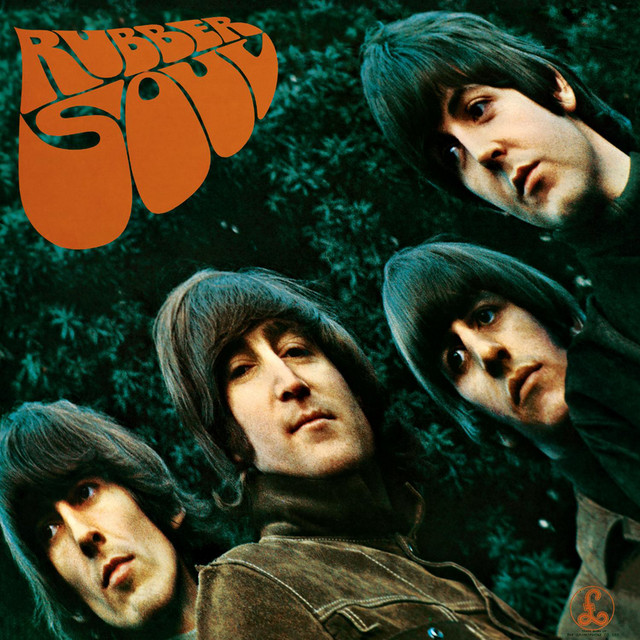
The album cover is another example of our branching out: the stretched photo. That was actually one of those little exciting random things that happen. The photographer Robert Freeman had taken some pictures round at John’s house in Weybridge. We had our new gear on — the polo necks — and we were doing straight mug shots; the four of us all posing.
Back in London Robert was showing us the slides; he had a piece of cardboard that was the album-cover size and he was projecting the photographs exactly onto it so we could see how it would look as an album cover. We had just chosen the photograph when the card that the picture was projected onto fell backwards a little, elongating the photograph. It was stretched and we went, ’That’s it, Rubber So-o-oul!, hey hey! Can you do it like that?’ And he said, ‘well, yeah. I can print it that way’. And that was it.
“I liked the way we got our faces to be longer on the album cover. We lost the ‘little innocents’ tag, the naivety, and it was the first one where we were fully-fledged potheads... Reefers are hard to avoid in The Beatles’ story. All the time, Mal and Neil would sit in Studio No. 2 behind the sound baffles while we were working, rolling them up and smoking.
In Studio No. 2 there is a steep staircase that goes up to the control room. Underneath is a cupboard where they used to keep all kinds of different equipment... There were strange tambourines and Moroccan drums and all kinds of little things.
The studio itself was full of instruments: pedal harmoniums, tack pianos, a celeste and a Hammond organ. That’s why we used all those different sounds on our records — because they were there. So when we’d get to an overdub we’d look around the cupboard and see if there was something that would fit.
Songwriting for me, at the time of Rubber Soul, was a bit frightening because John and Paul had been writing since they were three years old. It was hard to come in suddenly and write songs. They’d had a lot of practice. They’d written most of their bad songs before we’d even got into the recording studio. I had to come from nowhere and start writing, and have something with at least enough quality to put on the record alongside all the wondrous hits. It was very hard.
Rubber Soul was my favourite album, even at that time. I think that it was the best one we made; we certainly knew we were making a good album. We did spend a bit more time on it and tried new things.
But the most important thing about it was that we were suddenly hearing sounds that we weren’t able to hear before. Also, we were being more influenced by other people’s music and everything was blossoming at that time; including us, because we were still growing.
“By the end of 1965 the touring started to hit everybody. I remember we had a meeting during which we all talked about how the musicianship was going downhill, never mind the boredom of doing it; going away and hitting all those hotels.
Bands go on the road nowadays and do a press conference one day and shows for the next four days.
But, for The Beatles, it was always the press and those sorts of people: there was so much pressure. From the minute we opened our eyes people were trying to get at us.A lot was changing — our attitudes, our lives — at this time, and the Rubber Soul sessions were the start of the build-up to the end, in a way. We were doing great stuff and it was really a joy in the studio and the results were great, but the time was getting longer and longer, taking up a lot of space, and as it built up, over five or six years, I was getting fed up with the studios, too.
I’d just got married in 1965 and was driving up to Abbey Road every day. I think that’s where I started the resentment for the studio. We would go in there and it would be a beautiful day, and we’d come out and days had gone by.
Grass was really influential in a lot of our changes, especially with the writers. And because they were writing different material, we were playing differently. We were expanding in all areas of our lives, opening up to a lot of different attitudes. I feel that we [succeeded] on love songs. Now we get to Rubber Soul and begin stretching the writing and the playing a lot more. This was the departure record. A lot of other influences were coming down and going on the record.
‘Nowhere Man’ was good. ‘Girl’ was great — weird breathy sounds on it. ‘The Word’, another great track — George Martin on harmonium, Mal ‘Organ’ Evans on Hammond. We were really getting into a lot of different sounds and I think the lyrics were changing, too, with songs like ‘Drive My Car’, ‘Norwegian Wood’, ‘You Won’t See Me’, ‘Nowhere Man’ and, of course, ‘Michelle’.
Personnel
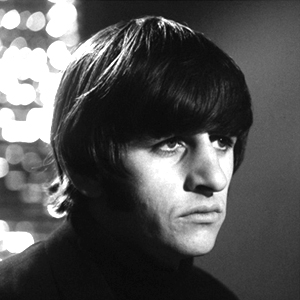
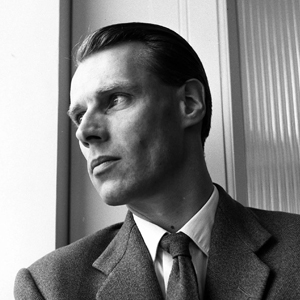
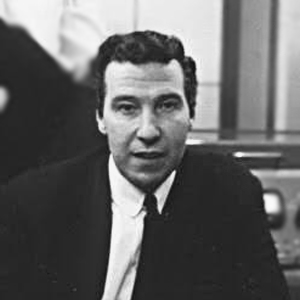
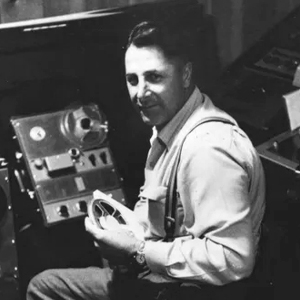

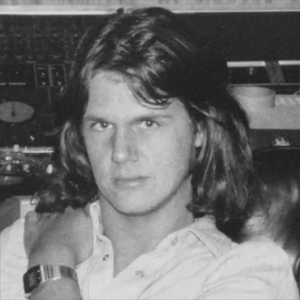
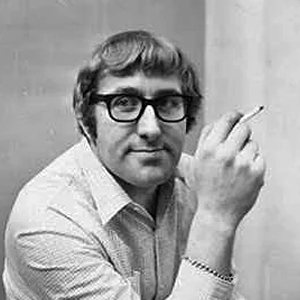
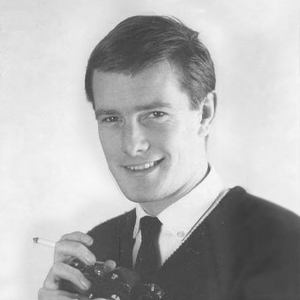
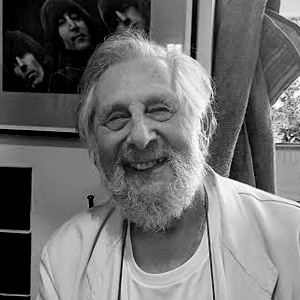
Personnel credits apply to the original 14-track album only and do not include additional session tracks featured on this page.
User Reviews
Loading reviews...