
The Beatles
We Can Work It Out / Day Tripper • 1965
Performers

Composition & Lyrics
Recorded
Released
Song Facts
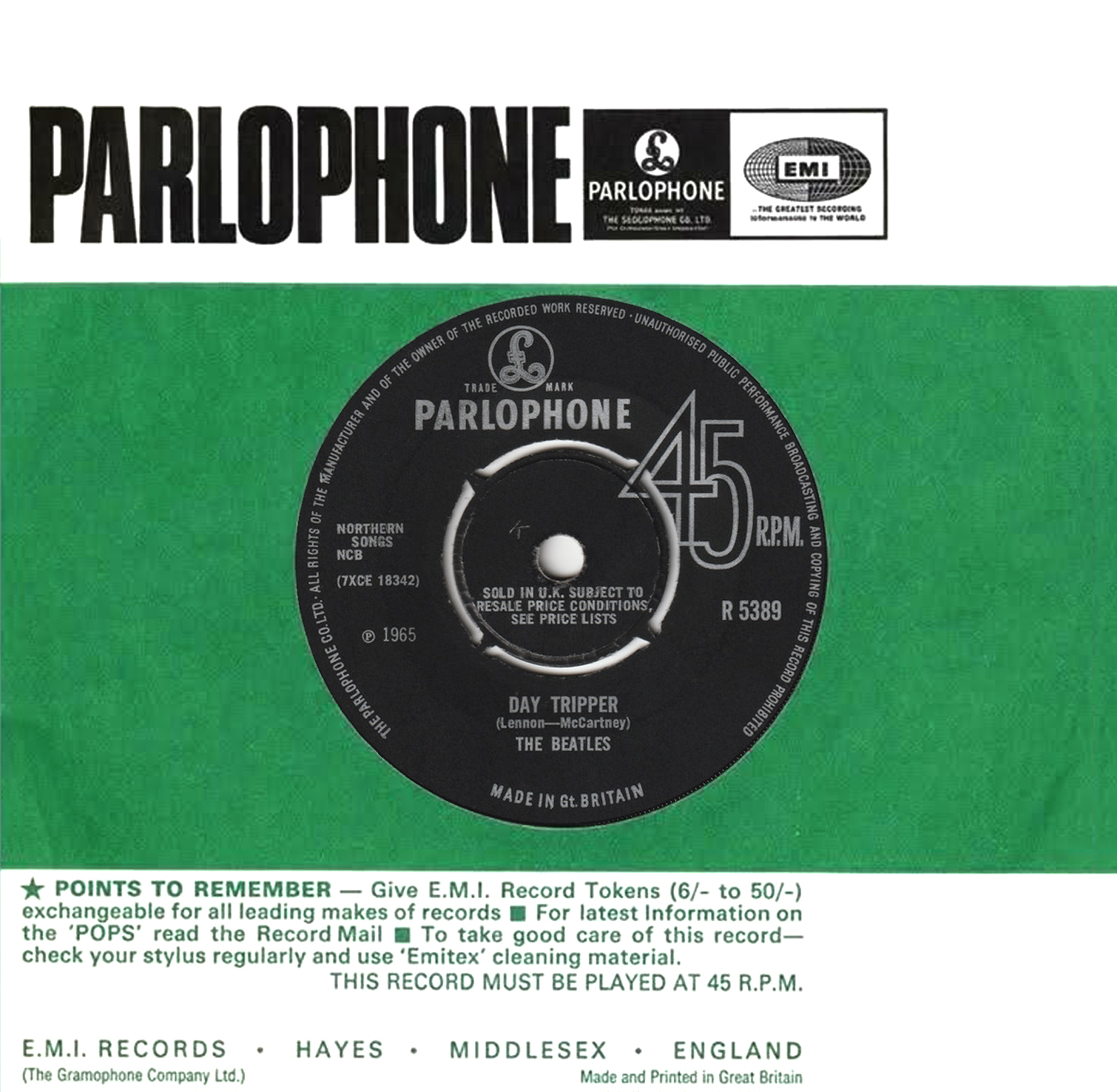
- “Day Tripper” was released as a double A-side single with “We Can Work It Out”, the first time two sides of the same single were designated as A-sides in the UK.
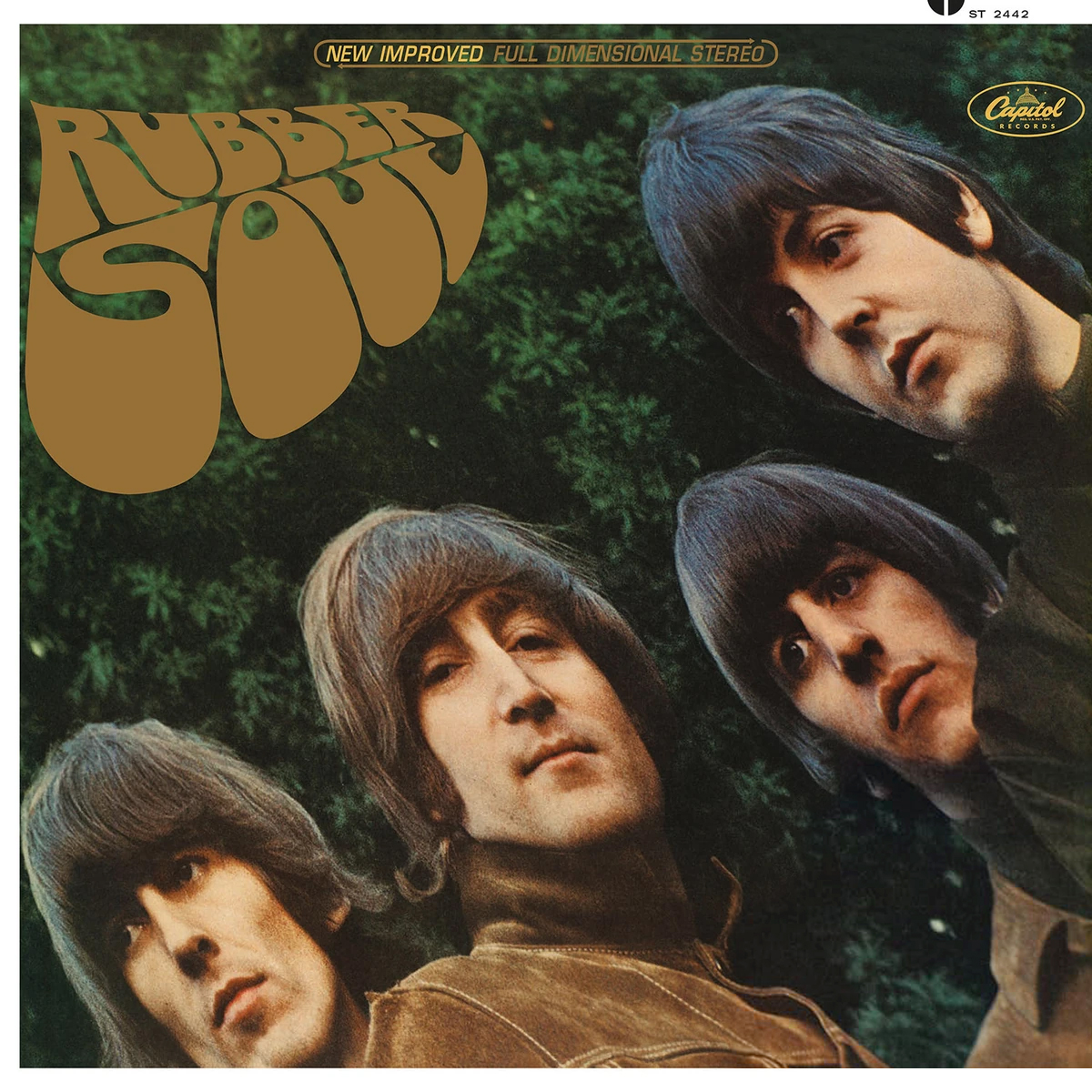
- The song, along with its counterpart, was recorded during the Rubber Soul sessions and released on the same day as the album.
- On 19 November 1965, exactly two weeks before the single’s release, NME ran the headline “Tripper Must Be Top Side (Insists Lennon)”. This followed an earlier announcement by the magazine that “We Can Work It Out” would be the next single, with “Day Tripper” as the B-side. After hearing the news, contacted NME to insist that “Day Tripper” was the A-side. was subsequently asked for his view, to which he replied:
“The boys decided they preferred Day Tripper, but both sides are extremely good and worth a lot of plays. As far as EMI’s official policy is concerned, there is no A-side. Both will be promoted equally”.
- “We Can Work It Out” / “Day Tripper” earned the Beatles their third consecutive Christmas No. 1 in the UK. In the US, where the two sides were charted separately based on radio airplay, “We Can Work It Out” proved more popular, reaching No. 1, while “Day Tripper” peaked at No. 5.
- Two mono mixes were made for the song. One was released on the single, while the other was created for the group to mime to in the Granada TV show The Music of Lennon & McCartney, broadcast on 16 December 1965.
- Although it didn’t feature on Rubber Soul, the song was included on the US album in June 1966, alongside “We Can Work It Out” and other Rubber Soul tracks omitted from the US version of the album. Its release on the US album also marked the first appearance of the song in stereo.
- The UK didn’t receive a stereo mix of the song until December 1966, when it appeared on . This mix became the standard stereo version and was later used on compilations such as and .
- “Day Tripper” and “We Can Work It Out” were among the first Beatles songs to receive promotional films, allowing the band to promote their music on television without having to appear in person. The films were shot at Twickenham Studios on 23 November 1965, directed by Joe McGrath. Promotional films for “I Feel Fine”, “Ticket to Ride” and “Help!” were also recorded that day.
- When interviewed by Keith Fordyce for the BBC radio programme The Lennon and McCartney Songbook in August 1966, John and Paul were asked whether the song had been written under pressure, as Fordyce suspected. John replied:
“[It] was under complete pressure, based on an old folk song I wrote about a month previous. It was very hard going, that, and it sounds it. Glad you spotted that. Two house points!”
- The song has been covered by numerous artists, including Otis Redding and Whitesnake, with live renditions also performed by The Jimi Hendrix Experience and Electric Light Orchestra.
Words from John and Paul
“Tha’s mine. Including the lick, the guitar break and the whole bit. It’s just a rock and roll song. Day trippers are people who go on a day trip, right? Usually on a ferryboat or something. But it was kind of — you know, you’re just a weekend hippie. Get it?
“This was getting towards the psychedelic period when we were interested in winking to our friends and comrades in arms, putting in references that we knew our friends would get but that the Great British Public might not. So ‘she’s a big teaser’ was ‘she’s a prick teaser’. The mums and dads didn’t get it but the kids did. ‘Day Tripper’ was to do with tripping. Acid was coming in on the scene, and often we’d do these songs about ‘the girl who thought she was it’. Mainly the impetus for that used to come from John; I think John met quite a few girls who thought they were it and he was a bit up in arms about that kind of thing. ‘She Said’ was another one.
But this was just a tongue-in-cheek song about someone who was a day tripper, a Sunday painter, Sunday driver, somebody who was committed only in part to the idea. Whereas we saw ourselves as full-time trippers, fully committed drivers, she was just a day tripper.
That was a co-written effort; we were both there making it all up but I would give John the main credit. Probably the idea came from John because he sang the lead, but it was a close thing. We both put a lot of work in on it. I remember with the prick teasers we thought, ‘That’d be fun to put in’. That was one of the great things about collaborating, you could ‘nudge-nudge’, ‘wink-wink’ a bit, whereas if you're sitting on your own, you might not put it in.
Mixes and Versions