
Can This "Five-Album Theory" Predict Eminem’s Next Release?
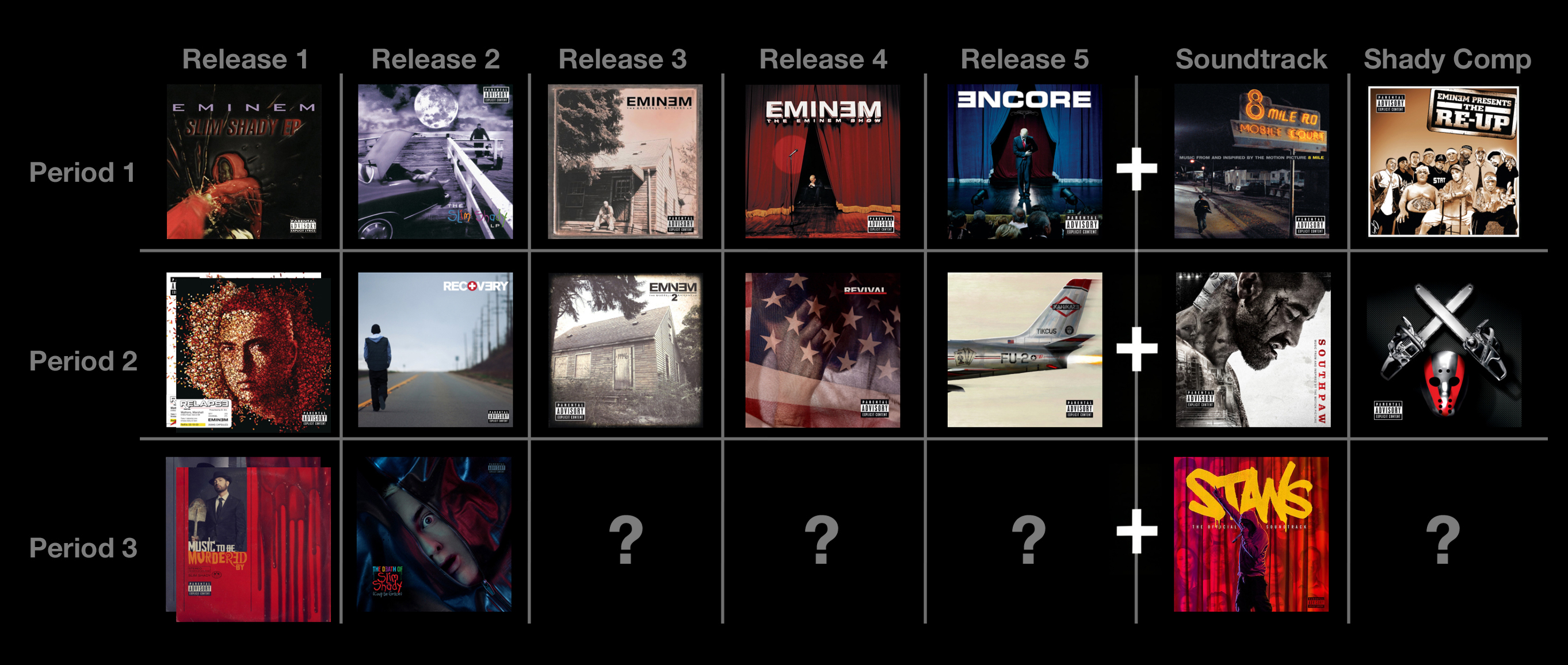
Whether by design or coincidence, Eminem’s discography has repeatedly mirrored the structure established by his early releases — from the Slim Shady EP through to Encore, while largely excluding his debut album, Infinite. Each release within a five-album period appears to revisit elements found in the corresponding album from the original or preceding period, whether it’s by reintroducing Slim Shady, revisiting Marshall Mathers, flipping visual motifs, or even taking aim at the President of the United States.
If that rhythm continues, the next chapter could, on paper, be The Marshall Mathers LP 3. But following his most recent studio album, the nostalgia-driven The Death of Slim Shady, another direct sequel feels unlikely. A more plausible outcome is a Marshall-focused record that captures the spirit of The Marshall Mathers LP without necessarily carrying its name.
Beyond the album-to-album parallels, each five-album period also appears to follow a broader pattern. In many cases, the second release of each period establishes the direction that shapes what follows: The Slim Shady LP defined the sound and identity of Eminem’s first major era (Dr. Dre, Jeff Bass, Eminem production, and in-house features only), Recovery marked a new direction (outside producers, pop features, and a tonal shift), and The Death of Slim Shady appears to have reintroduced elements of his classic style while blending them with the modern era. This broader pattern may offer another clue as to how Eminem’s current chapter could continue to develop.
I’ve been following this theory since Recovery, and while it hasn’t always predicted exact albums, it’s consistently pointed me in the right direction. Following Recovery, I expected the next studio album to revisit The Marshall Mathers LP in some form. What arrived was far more literal than I anticipated: The Marshall Mathers LP 2.
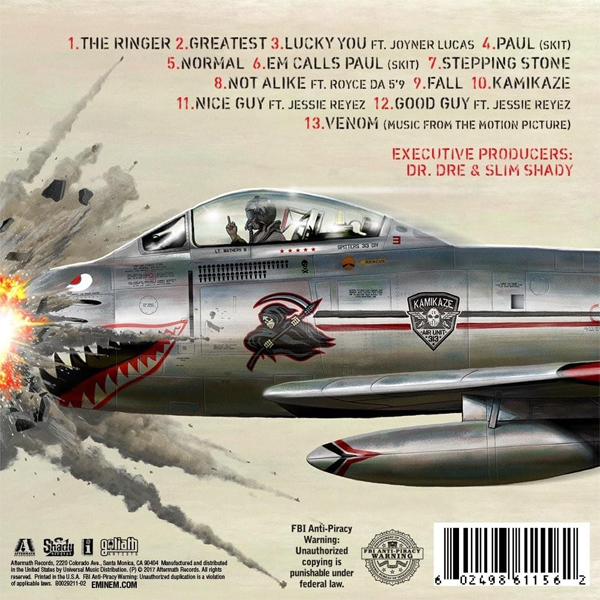
The following two releases, Revival and Kamikaze, are less direct, but they do contain elements that can be read as nods to their corresponding albums, The Eminem Show and Encore. With his 11th studio album, I expected it to feature elements of horror as did Relapse, and his 12th album to somehow echo The Slim Shady LP. In hindsight, Music to Be Murdered By and The Death of Slim Shady did exactly that.
That said, the parallels are rarely obvious. More often than not, they appear as subtle nods, which, combined with the albums encouraging fans to view Eminem’s career through a different lens, may explain why the pattern has gone largely unnoticed for so long.
Beyond the album-to-album parallels, there was also a recurring pattern in Eminem’s single rollout strategy that appeared across multiple albums before being abandoned and later revived for The Death of Slim Shady.
The pattern can be summarised as:
- A comedic lead single
- A darker-toned second major single
- A sample-driven third major single
The Slim Shady LP established the comedic lead single with the release of “My Name Is,” which followed the street release of “Just Don’t Give a Fuck.” The pattern continued with “The Real Slim Shady,” “Without Me,” “Just Lose It,” and “We Made You,” which served as the comedic lead singles for Eminem’s next four studio albums. You could even extend the pattern with ’s “Purple Pills” and “My Band,” the lead singles from Devil’s Night and D12 World.
The second and third single structure — the darker-toned track followed by a sample-driven release — originated one album later with The Marshall Mathers LP, where “The Way I Am” and “Stan” established the template. The pairings that followed were “Cleanin’ Out My Closet” and “Sing for the Moment” from The Eminem Show, “Mosh” and “Like Toy Soldiers” from Encore, and “3 a.m.” and “Beautiful” from Relapse. Note: For Relapse, these were released as the third and fourth major singles, as the album’s lead single was issued second, mirroring The Slim Shady LP.
Following the mixed reception to Relapse, the pattern was abandoned as Eminem deliberately moved away from many of his established tropes.
However, the structure returned on The Death of Slim Shady, with the comedic lead single “Houdini,” the darker-toned second single “Tobey,” and the sample-driven third single “Somebody Save Me.” With the album’s heavy reliance on nostalgia and callbacks to Eminem’s 1999-2004 era, the return of this single pattern was almost certainly an intentional attempt to recreate the feel of a classic Eminem album rollout.
Whether intentional or not, it’s another example of the structured patterns that have repeatedly emerged throughout Eminem’s career.
Now, back to the albums —
Below is a breakdown of parallels between corresponding albums within each five-album period.
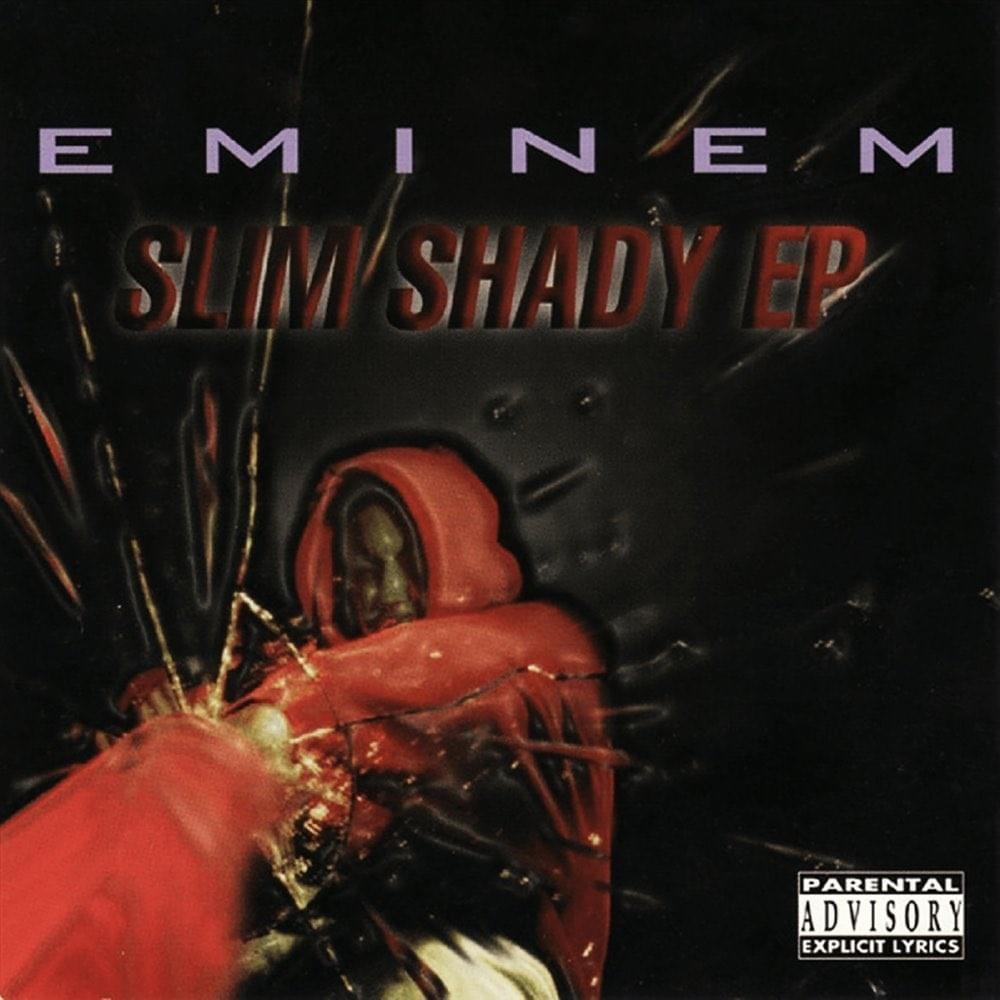
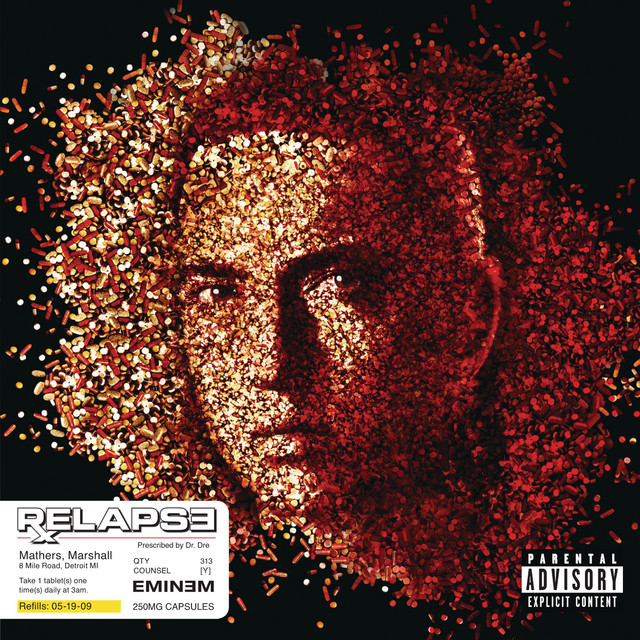
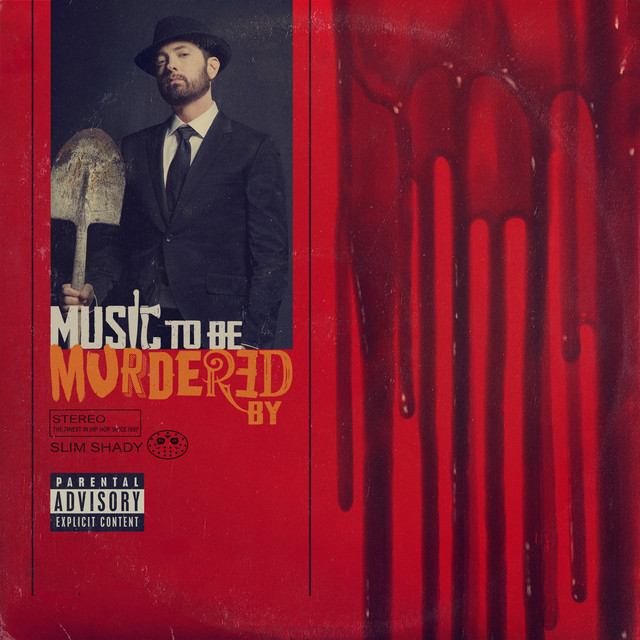
Album 1 - Slim Shady EP > Relapse > Music to Be Murdered By
- All feature a strong horrorcore influence.
- All have predominantly red/black artwork.
- Both Relapse: Refill and Music to Be Murdered By - Side B expand their original release.
- Slim Shady EP and Relapse feature very similar intros — “Intro (Slim Shady)” and “Dr. West (Skit).”
- Both Relapse and Music to Be Murdered By feature songs about Eminem's stepfather: “Insane” and “Stepdad,” respectively.
- “Discombobulated” from Music to Be Murdered By was originally a Relapse outtake.
- Music to Be Murdered By is the first Eminem album since Relapse: Refill to feature three consecutive Dr. Dre-produced tracks.
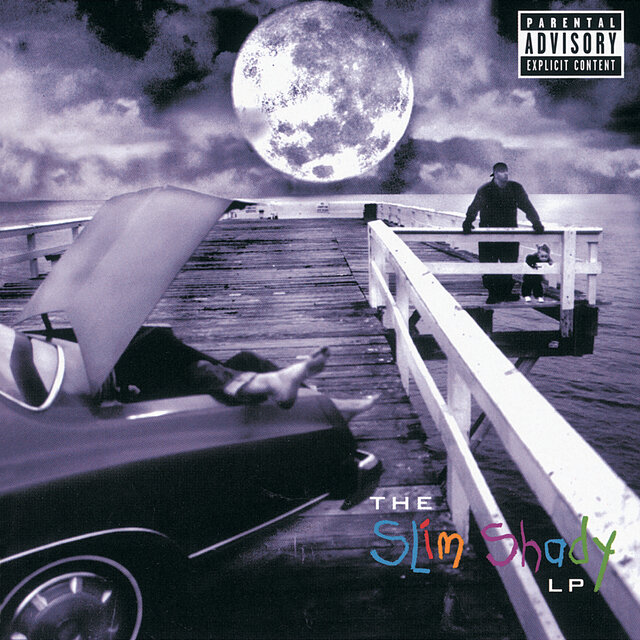
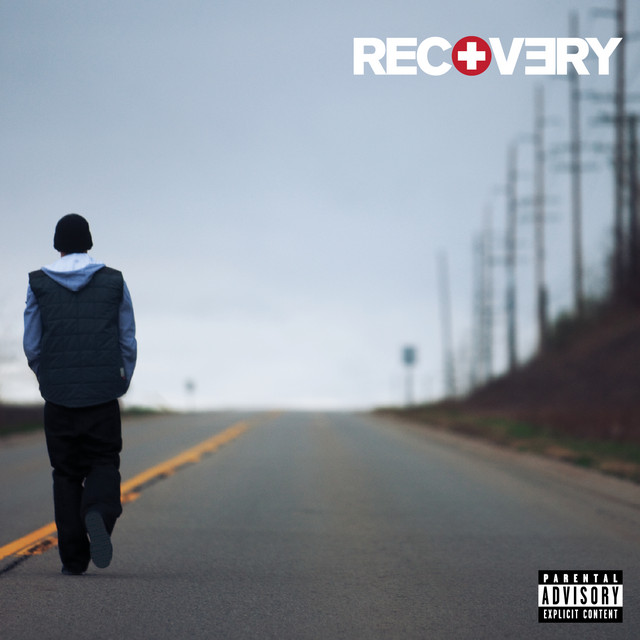
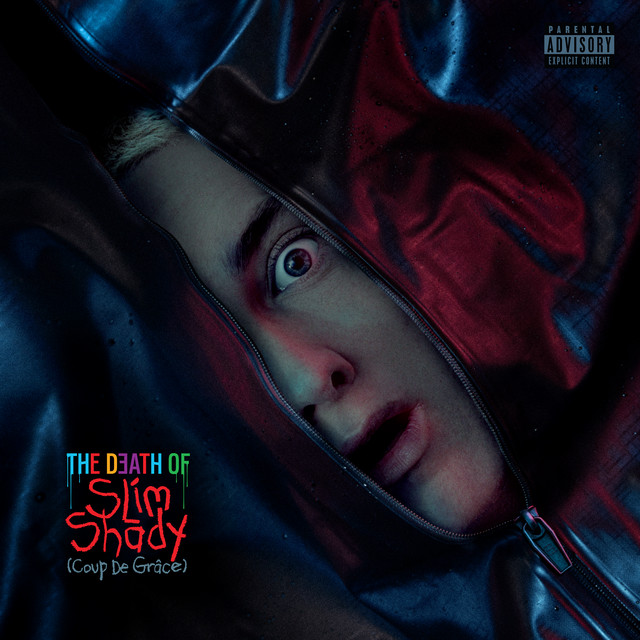
Album 2 - The Slim Shady LP > Recovery > The Death of Slim Shady
- Each marks a major turning point for Slim Shady (mainstream introduction, hiatus, and reintroduction/death).
- Recovery acts as the opposite of The Slim Shady LP, Eminem’s major label debut, moving away from the Slim Shady persona and many of the creative tropes established on that album. Following the mixed reception to Relapse, Eminem largely abandoned that style, making Recovery the debut of his new creative era. The Death of Slim Shady, in contrast, heavily revisits The Slim Shady LP, bringing many of those tropes and his original tone back.
- The Slim Shady LP and Recovery feature mirrored cover artwork: Eminem stands in the top-right background at night, off-road and facing forward, versus the bottom-left foreground in daylight, on the road and facing away, symbolically reflecting two very different points in his life.
- Beyond the obvious connection between The Slim Shady LP and The Death of Slim Shady, they’re also the only Eminem albums to feature a dead body on their covers.
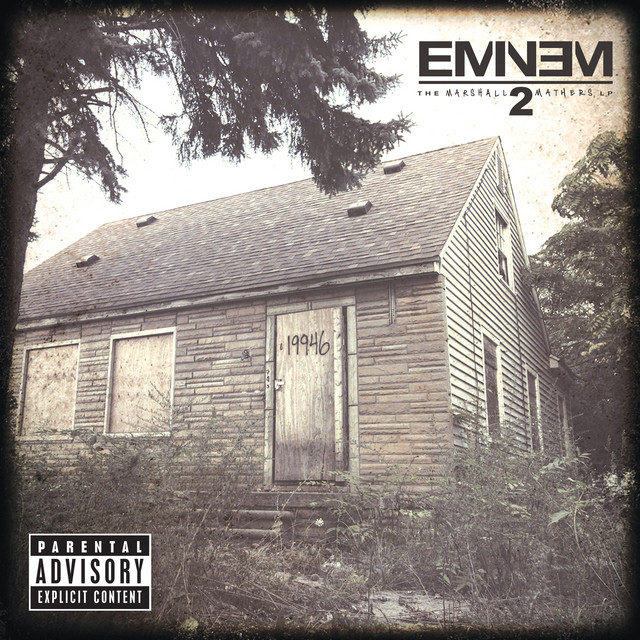
Album 3 - The Marshall Mathers LP > The Marshall Mathers LP 2 > ?
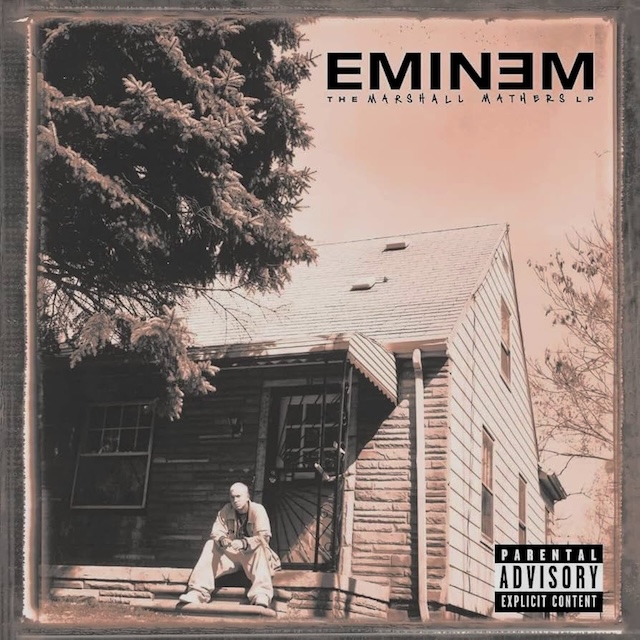
- The Marshall Mathers LP 2 directly revisits and references its predecessor throughout.
Album 4 - The Eminem Show > Revival > ?
- Both place greater emphasis on politics and society.
- Both feature direct attacks on the President of the United States.
- Each contains some of Eminem’s most personal songwriting.
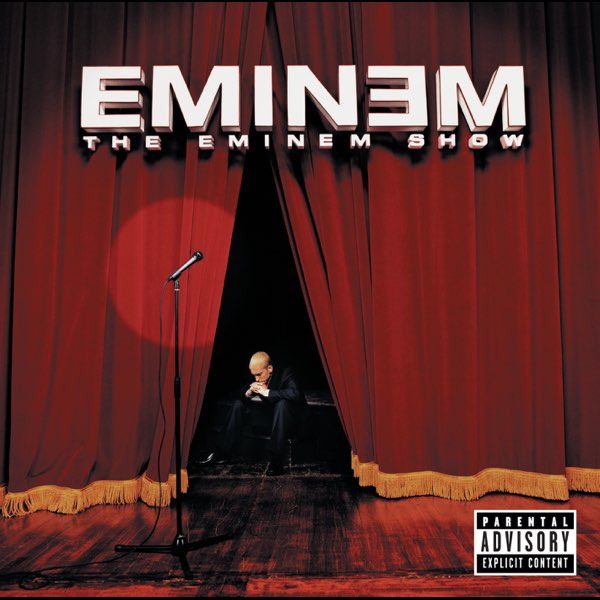
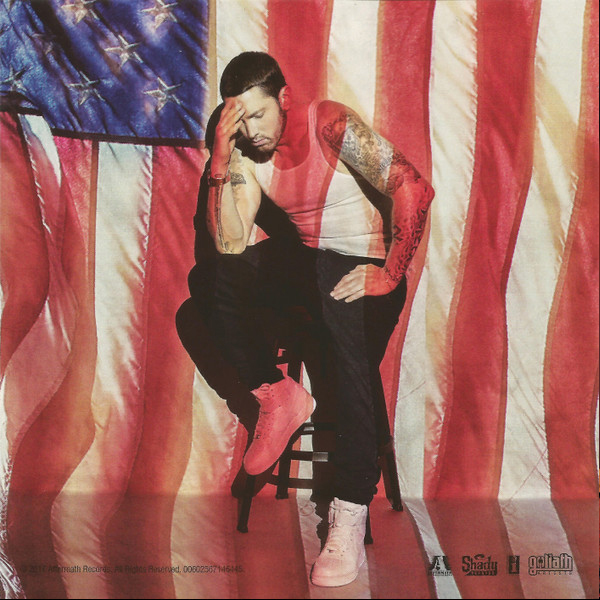
- Both covers depict Eminem seated with his head in his hands, with Revival replacing the curtains with a projection of the American flag. See the comparison featuring the wider Revival shot below from the CD booklet back cover.
- “My Dad’s Gone Crazy,” from The Eminem Show, which portrays Eminem as a fun, loving father, is sampled on Revival’s “Bad Husband,” which in contrast describes him as “a great dad, but a bad husband.”
- Each album arrived at opposite ends of Eminem’s career: The Eminem Show at his commercial peak, and Revival during his biggest critical slump. Unlike the other similarities, this one is almost certainly just coincidence. However, Revival’s lead single, “Walk on Water,” reflects on the legacy of that earlier success, with Eminem asking, “Why are expectations so high? Is it the bar I set?” In the song’s video, he performs alone on an empty stage, a stark contrast to the larger-than-life image of fame and success represented by The Eminem Show.
Album 5 - Encore > Kamikaze > ?
- Both were direct reactions to the albums that preceded them — Encore riding on the success of The Eminem Show, while Kamikaze responded to the backlash against Revival. Ironically, Encore marked a critical downturn, while Kamikaze marked a critical rebound.
- Career frustration and themes of suicide drive both albums, though in different forms: Encore builds a fictional narrative of Eminem’s psychological breakdown that culminates in a mass murder-suicide, while Kamikaze — defined by self-sacrifice in an attempt to destroy one’s enemies — uses its themes to imply the risk of “career suicide,” as Eminem lashes out at critics and younger rappers, willingly jeopardising his own artistic legacy.
- Both are the only two albums to contain an “” skit.
- Like in both their previous albums, The Eminem Show and Revival, Eminem continues to directly attack the President of the United States.
- Encore was the last Eminem studio album to feature D12, leaving Eminem’s commitment to the group in question until Kamikaze, where “Stepping Stone” confirms his departure.
Side Projects
The similarities become even more interesting once the side projects from each period are included. Note: Unlike the studio albums, these side projects don’t follow a consistent release order within each period.
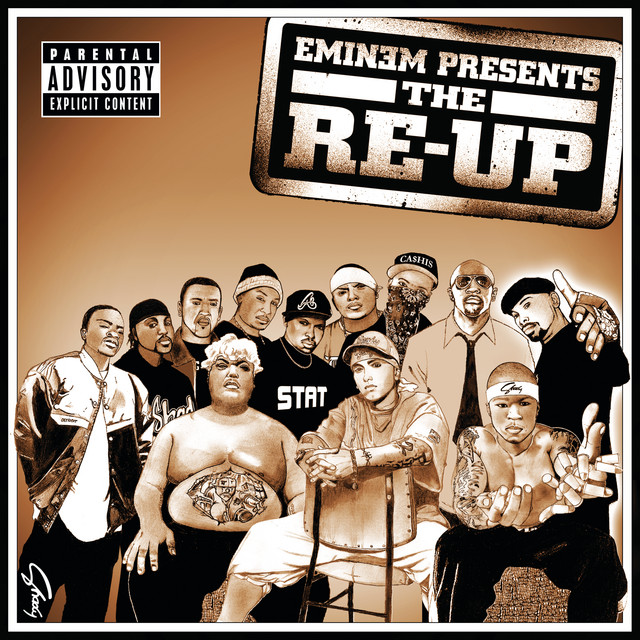
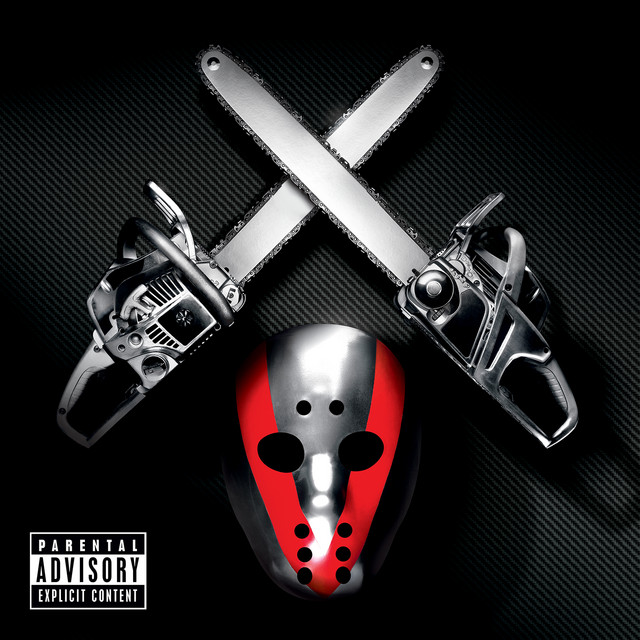
- The first two periods each produced a Shady Records compilation — The Re-Up and SHADYXV. If the pattern continues, a third label compilation would be due sometime before Eminem’s 16th studio album.
- Each period has also received a soundtrack project — 8 Mile, Southpaw, and most recently STANS. Going by this theory, we wouldn’t expect another soundtrack until a fourth five-album period — if Eminem decides to begin one.
- The first two periods each include two major Eminem-steered collaboration/group releases. The first period had two D12 albums, while the second had Hell: The Sequel and ’s Welcome To: Our House. No, Eminem wasn’t a member of Slaughterhouse, but he was heavily involved in the project, contributing nine production credits, appearing on three tracks, and mixing the entire album.
Unlike ’s WWCD, which received virtually no creative input from Eminem, Welcome To: Our House was very much an Eminem-led project. Note: Although WWCD featured “Bang (Remix),” Eminem’s contribution was taken from the original version, released by four months earlier.
So, if this admittedly crazy theory holds up, there may still be room for two more Eminem-steered collaboration/group releases before this period comes to an end.
Aside from all that, there are a few more interesting coincidences surrounding the timing of a potential Marshall Mathers-themed album being next. If it were released in 2026 — which seems unlikely at this point — it would arrive exactly 13 years after The Marshall Mathers LP 2, matching the 13-year gap between the original The Marshall Mathers LP in 2000 and its sequel in 2013.
There would also be exactly four studio albums between each Marshall Mathers release. The Marshall Mathers LP was Eminem’s first studio album of the 2000s, while The Marshall Mathers LP 2 was his second studio album of the 2010s. If a new Marshall Mathers album were his next studio release, it would be his third of the 2020s — meaning he would have one represent each decade: the 2000s, 2010s and 2020s.
Of course, this could all be coincidence. But after more than 15 years, the parallels have become increasingly difficult to ignore. Whether intentional or not, Eminem’s discography has developed a pattern, and if that pattern continues, we may already have a rough blueprint for not just his next album but the rest of this five-album cycle.
Bonus
An obvious flaw in this “five-album theory” is that Eminem has already divided his career into eras through the Curtain Call greatest hits albums. Using those releases as the dividing line disrupts the pattern, as Curtain Call 2 arrived one album later than expected. To mirror the gap between Curtain Call and Curtain Call 2, it would have needed to follow Kamikaze, not Music to Be Murdered By, resulting in a mismatch of four albums in the first era and six in the second.
There are several possible explanations for its “late” arrival. The label may have been reluctant to release a greatest hits album so soon after Revival’s poor critical reception, or they may have felt there wasn’t yet enough standout material to justify a second compilation. By waiting until after Music To Be Murdered By, the release gained a total of five extra tracks, including “Godzilla,” his second most streamed song of that era.
Personally, though, I don’t think Curtain Call 2 arrived late. If anything, I think the original Curtain Call came one album too early.
What points me in that direction is Relapse's ties to The Slim Shady LP and the abrupt shift it brought to Eminem’s discography. My theory is that Relapse was originally intended to act as a modern counterpart to both the Slim Shady EP and The Slim Shady LP, with the cancelled Relapse 2 continuing that creative direction in much the same way The Marshall Mathers LP followed The Slim Shady LP. Following Relapse's mixed reception, however, Eminem instead chose to reinvent his comeback with Recovery, essentially restarting the cycle and leaving Relapse as a false start.
If that's true, then Relapse effectively created an extra slot in the modern discography, turning what may have originally been intended as a four-album cycle into the five-album cycle we see today. Under that interpretation, the mismatch between the two Curtain Call compilations isn't because Curtain Call 2 arrived one album late, but because the original Curtain Call was released before the cycle had fully run its course.
Several details reinforce the connection between Relapse and The Slim Shady LP:
- Both are fundamentally Slim Shady albums — one bringing the character into the mainstream, the other bringing him back.
- Relapse was the first Eminem album since The Slim Shady LP to release its lead single as the album's second single.
- Like The Slim Shady LP, Relapse features only two guest artists.
- Both albums make use of pills in their artwork.
- “My Mom” fulfils an idea Eminem first joked about on “My Name Is.”
- “Hello” functions as a loose sequel to “My Name Is.”
Given how often collaborators have described Eminem as meticulous and detail-oriented, it’s not hard to imagine that some of these creative rhythms may be more deliberate than they first appear. From that perspective, even apparent “misalignments” like the timing of Curtain Call 2 begin to make more sense.